ISTP Animal: The Raccoon
Hands-on and unflappable — solves the problem in front of them, elegantly.
What animal represents the ISTP personality?
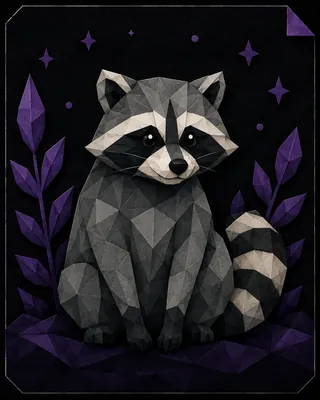
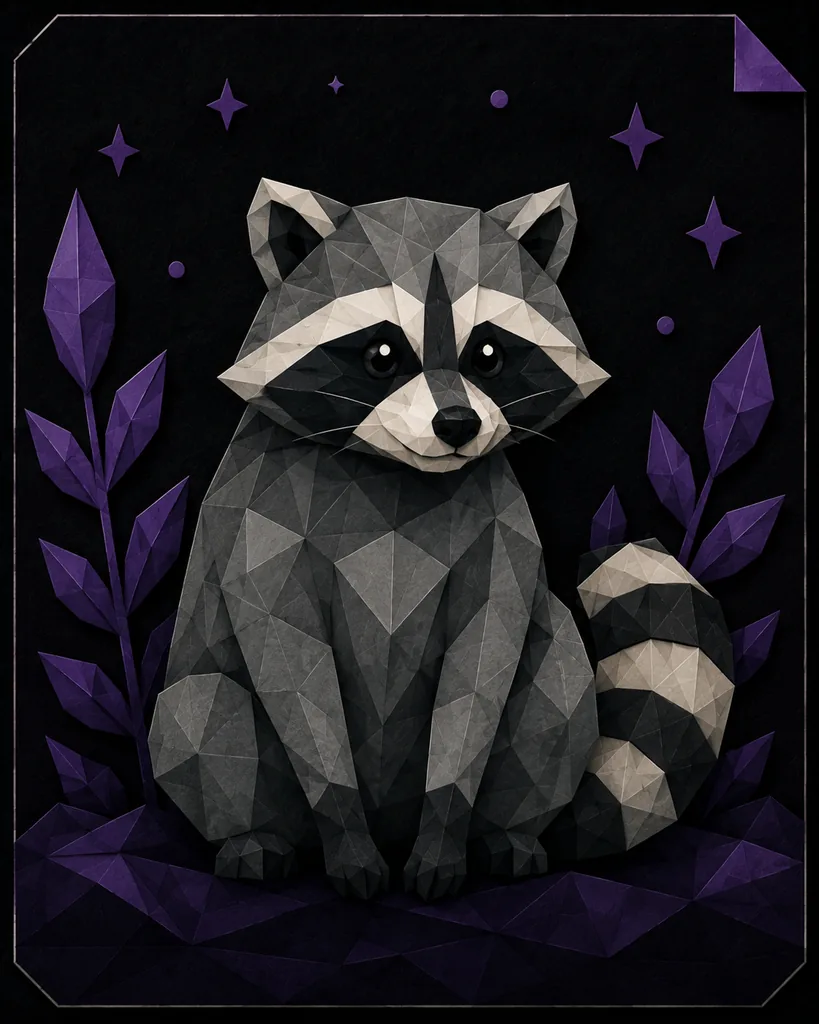
In TypeAtlas, the ISTP animal is the Raccoon. As a metaphor, the Raccoon fits a resourceful, independent, hands-on style: observant before acting, comfortable improvising with what is available, and focused on solving the concrete problem in front of it.
This TypeAtlas pairing is an editorial metaphor, not a scientific or diagnostic classification. Other lists may use a different animal.
For a broader look at the type, read the full ISTP personality guide, including career, relationships, communication, stress, money, and growth.
ISTP at a glance
Strengths
- Calm, capable, and unflappable in a crisis
- Understands how things work and fixes them efficiently
- Practical logic — cuts straight to what actually solves the problem
- Independent, adaptable, and light on drama
Growth edges
- Avoids long-term planning and commitment in favor of the present
- Goes quiet and withdraws rather than talking things through
- Gets bored and restless without a hands-on challenge
The ISTP across life
Career & work fit
ISTPs need hands-on, concrete problems and the autonomy to solve them their own way. They thrive where they can troubleshoot, build, and work with real tools and systems, free of rigid supervision and endless meetings. They struggle with abstract bureaucracy, heavy emotional labor, repetitive paperwork, and roles that cage their independence. They excel anywhere skilled, practical problem-solving is the actual job.
Relationships & compatibility
ISTPs are easygoing, independent partners who show love through actions and shared activity more than words. They are loyal and low-maintenance, value their freedom, and dislike emotional pressure or clinginess. The risk is emotional unavailability, going silent or absent during conflict, and struggling to put feelings into words or commit to the long-term conversation a partner may want.
Communication style
ISTPs communicate sparingly and practically — they say what is useful, skip the fluff, and prefer doing to discussing. They are clear and honest about facts and problems, but can seem detached or blunt, go quiet under emotional pressure, and leave feelings unspoken.
Work style & team role
On a team the ISTP is the troubleshooter and the fixer — the one who stays calm when something breaks, finds the practical fix, and gets it working. They contribute most with concrete problems and autonomy, and least in roles heavy on meetings, coordination, or emotional labor.
Stress & recovery
ISTPs are drained by rigid rules, emotional demands, forced socializing, and being boxed in. Under stress they withdraw, go quiet, and act impulsively to regain control or escape, and can flip into uncharacteristic emotional outbursts as bottled feelings surface. Too much confinement leaves them restless and prone to risky outlets.
Decision-making & money
ISTPs tend to treat money practically and in the present — they spend on tools, experiences, and gear that deliver real, tangible value, and they are generally resourceful and unfussy. The risk is short-term focus and impulse buys on the things they are into, with less attention to long-range planning and saving.
Growth edges
The ISTP's growth edge is the long view and the inner world. Competence in the moment is never the issue; planning ahead, committing, and putting feelings into words are. Growth looks like thinking a few steps beyond right now, staying in the conversation instead of withdrawing, and letting people in on what is actually going on inside.
Types most similar to the ISTP
These four types each share three of the ISTP’s four traits — the closest neighbors on the map, and the most common “ISTP vs.” comparisons.

The Hands-on Explorers (SP) family
The ISTP belongs to the present-focused, adaptable types who lead with action and real-world skill. Its family members:

ISTP frequently asked questions
What animal is an ISTP?
In TypeAtlas, the ISTP animal is the Raccoon, an editorial metaphor for resourceful, hands-on problem solving. It is not a scientific or diagnostic classification; other lists may use a different animal.
What does ISTP stand for?
ISTP stands for Introversion, Sensing, Thinking, and Perceiving — the four trait preferences that define the type. Hands-on and unflappable — solves the problem in front of them, elegantly.
Which careers might an ISTP explore?
No type determines career fit. Examples an ISTP might explore include Mechanical Engineer, Aircraft Mechanic & Service Technician, and Electrician, especially when the work offers concrete problems and autonomy in solving them. Interests, skills, values, and constraints matter more than type alone.
Does personality type predict ISTP compatibility?
Personality type does not reliably predict compatibility. An ISTP can build a strong relationship with any type; shared values, communication, emotional safety, and effort matter more than four letters.
What is a common growth edge for an ISTP?
A common ISTP growth edge is favoring the present over long-term planning and commitment. A useful counterweight is practicing the long view and naming the inner experience; this is a tendency, not a fixed flaw.
Which of the 16 are you?
This profile is the ISTP. Take the free Personality Type Test — 32 quick questions, about five minutes — to find your own four-letter type, your animal, and a confidence score for each trait.
Take the free Personality Type TestAll 16 types as animals
Every TypeAtlas personality type and its animal. Tap any to read the full profile.