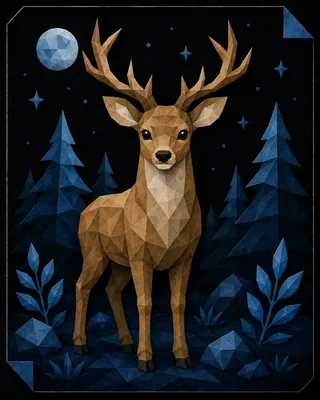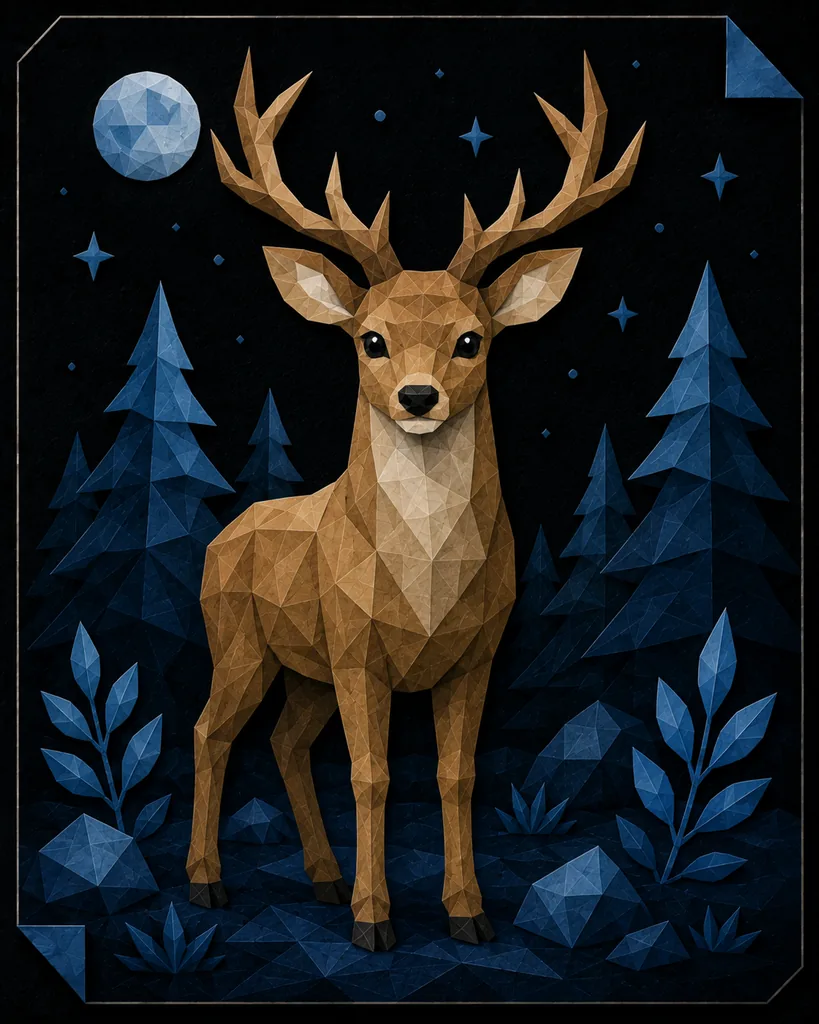
INFP Animal: The Deer
Idealistic and inward — guided by deeply held values and meaning.
What animal represents the INFP personality?
In TypeAtlas, the INFP animal is the Deer. When picturing the INFP as an animal, the Deer represents a gentle, values-led, imaginative style: sensitive to nuance, protective of a rich inner life, and guided by personal conviction rather than social pressure.
This TypeAtlas pairing is an editorial metaphor, not a scientific or diagnostic classification. Other lists may use a different animal.
For a broader look at the type, read the full INFP personality guide, including career, relationships, communication, stress, money, and growth.
INFP at a glance
Strengths
- Anchored to a deep, personal set of values
- Imaginative and original — sees possibilities others miss
- Empathetic and genuinely accepting of people as they are
- Quietly determined when something truly matters to them
Growth edges
- Can drift in idealism and struggle to turn vision into finished, practical work
- Can take criticism of deeply held values very personally.
- Avoids conflict and logistics, and procrastinates on the un-fun parts
The INFP across life
Career & work fit
INFPs need work that feels authentic and serves something they believe in; a prestigious job that violates their values will quietly corrode them. They thrive with creative freedom, autonomy, and a humane pace, in roles that let them express ideas or help individuals. They struggle with rigid bureaucracy, cutthroat competition, and mechanical tasks with no meaning attached.
Relationships & compatibility
INFPs love deeply and idealistically, seeking a soulmate-level connection built on shared values and acceptance. They are loyal, tender partners who long to be understood for who they truly are. The risk is idealizing a partner and then feeling disillusioned, avoiding conflict, and retreating into their inner world when hurt.
Communication style
INFPs communicate gently and authentically, and often express themselves best in writing, where they can find exactly the right words. They are warm, non-judgmental listeners, but can go quiet or vague under pressure and find blunt conflict genuinely painful.
Work style & team role
On a team the INFP is the values-bearer and the quietly creative one — generating original ideas, advocating for fairness and the human angle, and working hard on what they care about. They need autonomy and a cooperative, non-competitive atmosphere.
Stress & recovery
INFPs are worn down by conflict, criticism of their values, rigid demands, and pressure to be someone they are not. Under stress they withdraw, ruminate, and turn self-critical, and can swing into uncharacteristically harsh, hyper-critical logic as their usual gentleness inverts. Chronic value-conflict leaves them quietly disheartened and checked-out.
Decision-making & money
INFPs tend to see money as a means to freedom and a values-aligned life rather than a goal in itself. They spend on meaning and experience over status, can be quietly generous, and often find financial detail tedious. Budgeting and long-term planning are usually the tasks they put off.
Growth edges
The INFP's growth edge is turning ideals into reality and meeting the practical world without losing themselves. Their values and imagination are gifts; what they tend to dodge is structure, conflict, and follow-through. Growth looks like finishing things, hearing criticism as information rather than a verdict on their worth, and handling the dull logistics that protect what they love.
Types most similar to the INFP
These four types each share three of the INFP’s four traits — the closest neighbors on the map, and the most common “INFP vs.” comparisons.
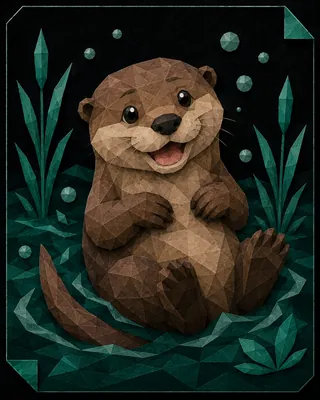
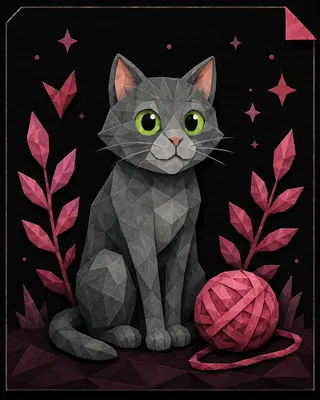
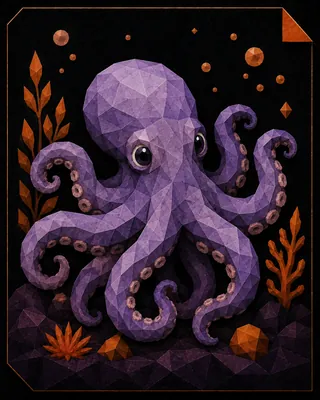
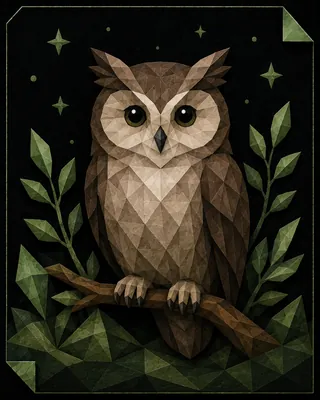
The Intuitive Feelers (NF) family
The INFP belongs to the values-driven, people-focused types who lead with empathy and meaning. Its family members:
INFP frequently asked questions
What animal is an INFP?
In TypeAtlas, the INFP animal is the Deer, an editorial metaphor for idealism, values, and imagination. It is not a scientific or diagnostic classification; other lists may use a different animal.
What does INFP stand for?
INFP stands for Introversion, Intuition, Feeling, and Perceiving — the four trait preferences that define the type. Idealistic and inward — guided by deeply held values and meaning.
Which careers might an INFP explore?
No type determines career fit. Examples an INFP might explore include Writer / Author, Graphic Designer, and Fine Artist (Painter / Illustrator / Sculptor), especially when the work offers creative expression, autonomy, and values-aligned work. Interests, skills, values, and constraints matter more than type alone.
Does personality type predict INFP compatibility?
Personality type does not reliably predict compatibility. An INFP can build a strong relationship with any type; shared values, communication, emotional safety, and effort matter more than four letters.
What is a common growth edge for an INFP?
A common INFP growth edge is turning ideals into completed, practical work. A useful counterweight is choosing a small next step, tolerating imperfect drafts, and building follow-through; this is a tendency, not a fixed flaw.
Which of the 16 are you?
This profile is the INFP. Take the free Personality Type Test — 32 quick questions, about five minutes — to find your own four-letter type, your animal, and a confidence score for each trait.
Take the free Personality Type TestAll 16 types as animals
Every TypeAtlas personality type and its animal. Tap any to read the full profile.