ENFJ Animal: The Wolf
Charismatic and people-first — draws others toward a shared vision.
What animal represents the ENFJ personality?
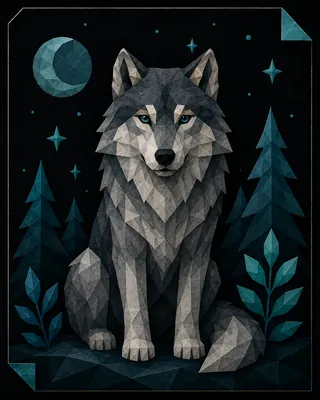
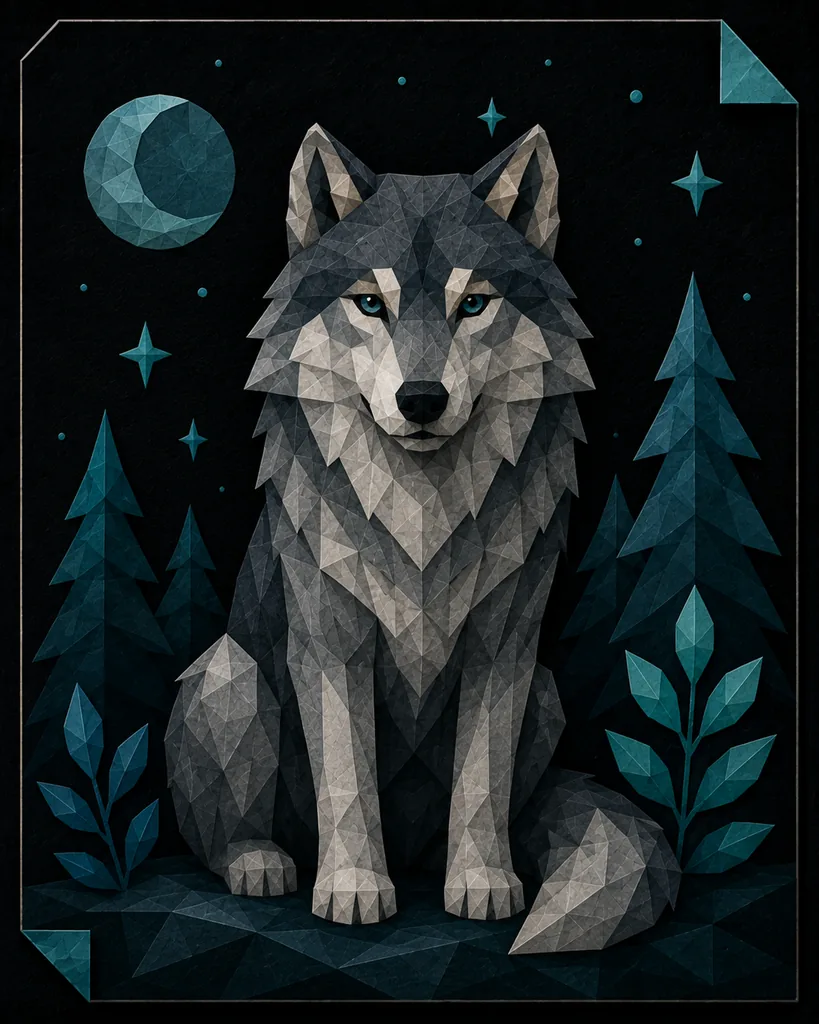
In TypeAtlas, the ENFJ animal is the Wolf. As a metaphor, the Wolf fits a socially attuned, people-centered leadership style: gathering a group around shared purpose, reading group dynamics, and encouraging others toward a common direction.
This TypeAtlas pairing is an editorial metaphor, not a scientific or diagnostic classification. Other lists may use a different animal.
For a broader look at the type, read the full ENFJ personality guide, including career, relationships, communication, stress, money, and growth.
ENFJ at a glance
Strengths
- Inspires and mobilizes people around a shared vision
- Reads emotions and group dynamics with warmth and accuracy
- Genuinely invested in other people's growth and potential
- Organized and persuasive, and follows through on commitments
Growth edges
- Over-extends caring for others while neglecting their own needs
- Conflict-avoidant and overly sensitive to criticism
- Tends toward people-pleasing and managing other people's lives
The ENFJ across life
Career & work fit
ENFJs need work that lets them develop, guide, and inspire people toward something meaningful. They thrive in roles with human contact, a clear positive mission, and room to lead through warmth and persuasion rather than cold authority. They struggle in impersonal, cutthroat, or purely transactional environments, and in jobs with no people to nurture or cause to believe in. They gravitate naturally toward leadership, teaching, and development roles.
Relationships & compatibility
ENFJs are devoted, attentive, expressive partners who pour real energy into the people they love. They are attuned to a partner's needs, generous with encouragement, and committed to the relationship's growth. The risk is over-giving to the point of losing themselves, managing or 'improving' a partner, and avoiding conflict or swallowing their own needs to keep the peace.
Communication style
ENFJs communicate warmly, expressively, and persuasively — they make people feel heard, articulate a vision, and rally a room with ease. They are diplomatic and encouraging, but can over-accommodate, take disagreement personally, and avoid saying hard things directly to preserve harmony.
Work style & team role
On a team the ENFJ is the leader-mentor and the harmonizer — setting a positive direction, developing teammates, and keeping morale and cohesion high. They contribute most when they can lead people toward a mission, and need to guard against absorbing everyone's problems and avoiding necessary conflict.
Stress & recovery
ENFJs are drained by conflict, criticism, ingratitude, and chronically putting others first. Under stress they over-function for everyone else, grow anxious and self-critical, and can flip into uncharacteristic harsh judgment or controlling behavior as their giving runs dry. Left unaddressed, the resentment and depletion build toward burnout.
Decision-making & money
ENFJs tend to treat money as a way to support the people and causes they care about and to build a warm, secure life for those around them. They are often generous — sometimes overly so — and can spend on others before themselves. They do best when they budget for their own needs as deliberately as they do for everyone else's.
Growth edges
A common ENFJ growth edge is directing some care inward and tolerating honest disagreement. Their gift for others is never in doubt; what they neglect is their own needs, and what they avoid is the friction of honesty. Growth looks like receiving as well as giving, saying the hard thing kindly instead of swallowing it, and letting others own their own problems.
Types most similar to the ENFJ
These four types each share three of the ENFJ’s four traits — the closest neighbors on the map, and the most common “ENFJ vs.” comparisons.
The Intuitive Feelers (NF) family
The ENFJ belongs to the values-driven, people-focused types who lead with empathy and meaning. Its family members:
ENFJ frequently asked questions
What animal is an ENFJ?
In TypeAtlas, the ENFJ animal is the Wolf, an editorial metaphor for social leadership, loyalty, and group connection. It is not a scientific or diagnostic classification; other lists may use a different animal.
What does ENFJ stand for?
ENFJ stands for Extraversion, Intuition, Feeling, and Judging — the four trait preferences that define the type. Charismatic and people-first — draws others toward a shared vision.
Which careers might an ENFJ explore?
No type determines career fit. Examples an ENFJ might explore include Training & Development Manager, Human Resources Manager, and Instructional Coordinator, especially when the work combines people development, coordination, and a clear mission. Interests, skills, values, and constraints matter more than type alone.
Does personality type predict ENFJ compatibility?
Personality type does not reliably predict compatibility. An ENFJ can build a strong relationship with any type; shared values, communication, emotional safety, and effort matter more than four letters.
What is a common growth edge for an ENFJ?
A common ENFJ growth edge is overextending care for others while leaving personal needs unspoken. A useful counterweight is naming needs early, setting limits, and tolerating honest disagreement; this is a tendency, not a fixed flaw.
Which of the 16 are you?
This profile is the ENFJ. Take the free Personality Type Test — 32 quick questions, about five minutes — to find your own four-letter type, your animal, and a confidence score for each trait.
Take the free Personality Type TestAll 16 types as animals
Every TypeAtlas personality type and its animal. Tap any to read the full profile.