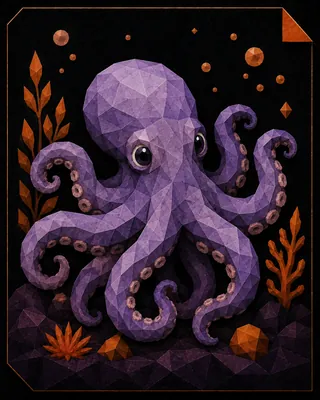
ESFP Animal: The Dolphin
Spontaneous and warm — brings energy and life to the room.
What animal represents the ESFP personality?
In TypeAtlas, the ESFP animal is the Dolphin. As a metaphor, the Dolphin fits a warm, spontaneous, socially responsive style: alert to the energy around it, ready to join the action, and skilled at making a shared moment feel lively and inclusive.
This TypeAtlas pairing is an editorial metaphor, not a scientific or diagnostic classification. Other lists may use a different animal.
For a broader look at the type, read the full ESFP personality guide, including career, relationships, communication, stress, money, and growth.
ESFP at a glance
Strengths
- Brings warmth, fun, and contagious energy to any group
- Lives fully in the present and makes the moment enjoyable
- Genuinely attuned and generous with the people around them
- Adaptable, practical, and quick to jump in and help
Growth edges
- Avoids long-term planning and conflict in favor of the present
- Easily bored, and can over-spend or over-commit on impulse
- Takes criticism personally and dislikes being alone
The ESFP across life
Career & work fit
ESFPs need people, variety, and a lively, hands-on environment where they can see the joy or impact of their work directly. They thrive in roles full of social energy, movement, and immediate feedback, and they wilt in isolated, rigidly structured, or heavily theoretical work. They excel wherever warmth, presence, and practical people-skills are the heart of the job — hospitality, events, wellness, care, and service.
Relationships & compatibility
ESFPs are affectionate, generous, playful partners who make a relationship feel warm and alive. They are attentive in the moment, love shared fun and experiences, and give freely. The risk is avoiding hard conversations and long-term planning, getting restless with routine, and seeking constant connection or reassurance rather than sitting with difficulty.
Communication style
ESFPs communicate warmly, expressively, and playfully — they are engaging storytellers who make people feel included and at ease. They read emotional cues well, but can shy away from serious or confrontational topics, take criticism to heart, and steer toward the light and fun over the hard and deep.
Work style & team role
On a team the ESFP is the energizer and the people-glue — lifting morale, smoothing tensions, and keeping the atmosphere warm and motivated. They contribute most in collaborative, people-facing, hands-on work, and least in isolated, rigid, or heavily abstract roles.
Stress & recovery
ESFPs are drained by isolation, monotony, conflict, and heavy abstraction or long-range pressure. Under stress they distract themselves and avoid the problem, grow anxious or overwhelmed, and can spiral into uncharacteristic gloomy over-thinking and worst-case predictions as their usual optimism collapses. Loneliness and tension hit them especially hard.
Decision-making & money
ESFPs tend to treat money as a way to enjoy life and share good experiences with people they love. They are usually generous and spontaneous spenders, drawn to the present moment and the occasional impulse, and they find long-range budgeting tedious. Their finances do best with automatic saving so the future is handled without dimming the present.
Growth edges
The ESFP's growth edge is planning ahead and facing the hard things. Warmth and presence are never the gap; thinking past today, tolerating conflict, and sitting with discomfort are. Growth looks like setting up for the future before it arrives, staying with a hard conversation instead of deflecting, and learning that being alone or criticized is survivable, not a verdict.
Types most similar to the ESFP
These four types each share three of the ESFP’s four traits — the closest neighbors on the map, and the most common “ESFP vs.” comparisons.




The Hands-on Explorers (SP) family
The ESFP belongs to the present-focused, adaptable types who lead with action and real-world skill. Its family members:

ESFP frequently asked questions
What animal is an ESFP?
In TypeAtlas, the ESFP animal is the Dolphin, an editorial metaphor for warmth, spontaneity, and social energy. It is not a scientific or diagnostic classification; other lists may use a different animal.
What does ESFP stand for?
ESFP stands for Extraversion, Sensing, Feeling, and Perceiving — the four trait preferences that define the type. Spontaneous and warm — brings energy and life to the room.
Which careers might an ESFP explore?
No type determines career fit. Examples an ESFP might explore include Meeting & Event Planner, Fitness Trainer / Group Instructor, and Flight Attendant, especially when the work offers people, variety, and visible impact. Interests, skills, values, and constraints matter more than type alone.
Does personality type predict ESFP compatibility?
Personality type does not reliably predict compatibility. An ESFP can build a strong relationship with any type; shared values, communication, emotional safety, and effort matter more than four letters.
What is a common growth edge for an ESFP?
A common ESFP growth edge is favoring the present over long-term planning and difficult conversations. A useful counterweight is planning ahead and facing hard things directly; this is a tendency, not a fixed flaw.
Which of the 16 are you?
This profile is the ESFP. Take the free Personality Type Test — 32 quick questions, about five minutes — to find your own four-letter type, your animal, and a confidence score for each trait.
Take the free Personality Type TestAll 16 types as animals
Every TypeAtlas personality type and its animal. Tap any to read the full profile.