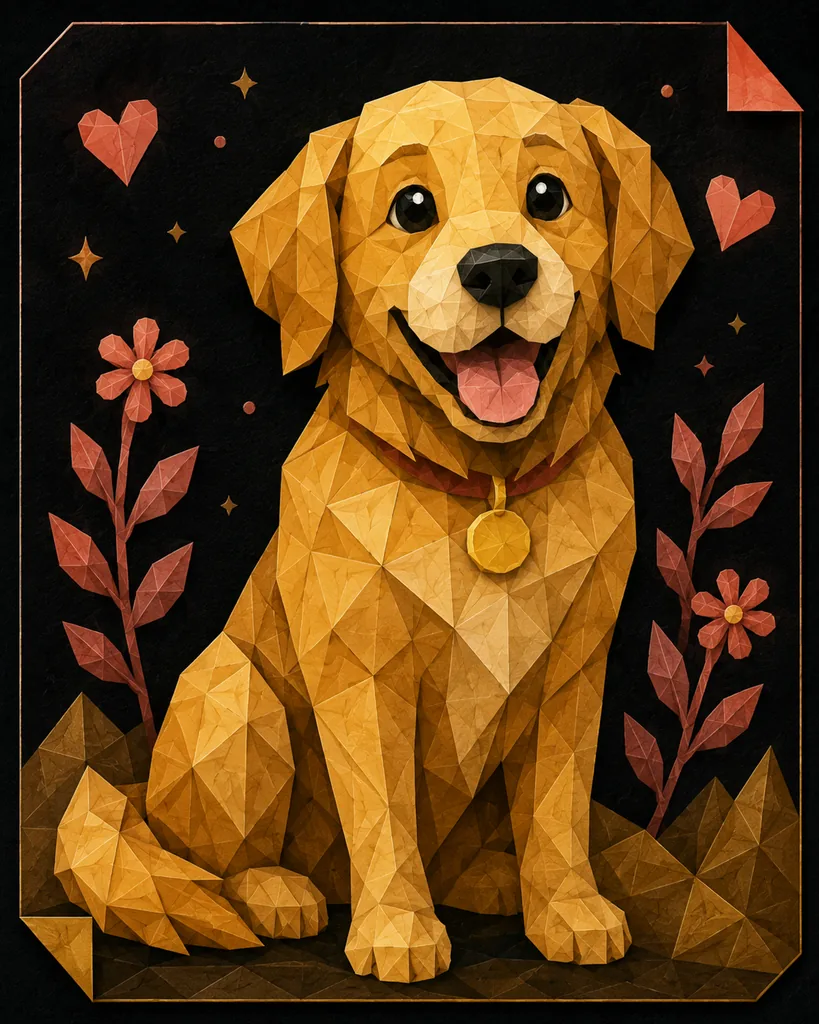
ESFJ Animal: The Golden Retriever
Caring and connective — the warm center that holds a community together.
What animal represents the ESFJ personality?
In TypeAtlas, the ESFJ animal is the Golden Retriever. As a metaphor, the Golden Retriever fits a warm, dependable, community-centered style: noticing practical needs, strengthening social bonds, and helping people feel included.
This TypeAtlas pairing is an editorial metaphor, not a scientific or diagnostic classification. Other lists may use a different animal.
For a broader look at the type, read the full ESFJ personality guide, including career, relationships, communication, stress, money, and growth.
ESFJ at a glance
Strengths
- Warm, sociable, and genuinely attentive to others' needs
- Organized and dependable — gets people and events running smoothly
- Loyal, generous, and deeply committed to those they care about
- A natural connector who builds and holds community together
Growth edges
- Over-invests in others' approval and neglects their own needs
- Conflict-averse and sensitive to criticism
- Can be controlling or guilt-prone, and resistant to change
The ESFJ across life
Career & work fit
ESFJs thrive in warm, people-centered, well-structured roles where they can help, organize, and bring people together toward something good. They do their best work with clear expectations, harmony, and visible appreciation, and they struggle in isolated, cutthroat, or impersonal environments, or where they must work purely with abstractions and no human contact. They are the dependable heart of healthcare, education, service, and community roles.
Relationships & compatibility
ESFJs are warm, devoted, attentive partners who pour energy into nurturing the relationship and creating a happy, harmonious home. They are generous, loyal, and remember what matters to you. The risk is over-giving for approval, becoming anxious or hurt when unappreciated, avoiding conflict, and occasionally managing a partner's life in the name of caring.
Communication style
ESFJs communicate warmly, expressively, and tactfully — they are attentive listeners who make people feel cared for and keep conversations harmonious. They are encouraging and considerate, but can avoid hard truths to preserve harmony, take criticism personally, and seek reassurance rather than state a need directly.
Work style & team role
On a team the ESFJ is the organizer-carer and the social glue — coordinating the details, looking after people, and keeping morale and harmony high. They contribute most in cooperative, people-facing, appreciative settings, and need to guard against overextending and against taking disagreement too personally.
Stress & recovery
ESFJs are drained by conflict, criticism, ingratitude, and chronically putting everyone else first. Under stress they over-function and worry, grow anxious for approval, and can swing into uncharacteristic harshness or controlling behavior as their giving runs dry. Unaddressed, the unspoken resentment and depletion build toward burnout.
Decision-making & money
ESFJs tend to treat money as a way to care for family and community and to create a warm, secure, welcoming life. They are usually responsible planners who are generous — sometimes overly so — with loved ones and hospitality, and can spend on others before themselves. They do best budgeting for their own needs as deliberately as everyone else's.
Growth edges
A common ESFJ growth edge is directing some care inward and loosening dependence on approval. Devotion and warmth are never lacking; honoring their own needs, tolerating conflict, and letting go of control are. Growth looks like valuing their own opinion as much as others', weathering disagreement without taking it as rejection, and giving freely without keeping score.
Types most similar to the ESFJ
These four types each share three of the ESFJ’s four traits — the closest neighbors on the map, and the most common “ESFJ vs.” comparisons.




The Practical Stabilizers (SJ) family
The ESFJ belongs to the dependable, structure-keeping types who value order and follow-through. Its family members:

ESFJ frequently asked questions
What animal is an ESFJ?
In TypeAtlas, the ESFJ animal is the Golden Retriever, an editorial metaphor for warmth and community care. It is not a scientific or diagnostic classification; other lists may use a different animal.
What does ESFJ stand for?
ESFJ stands for Extraversion, Sensing, Feeling, and Judging — the four trait preferences that define the type. Caring and connective — the warm center that holds a community together.
Which careers might an ESFJ explore?
No type determines career fit. Examples an ESFJ might explore include Medical and Health Services Manager, Dental Hygienist, and Social and Community Service Manager, especially when the work is people-centered, practical, and collaborative. Interests, skills, values, and constraints matter more than type alone.
Does personality type predict ESFJ compatibility?
Personality type does not reliably predict compatibility. An ESFJ can build a strong relationship with any type; shared values, communication, emotional safety, and effort matter more than four letters.
What is a common growth edge for an ESFJ?
A common ESFJ growth edge is overinvesting in others' approval while neglecting personal needs. A useful counterweight is honoring personal preferences, setting limits, and tolerating disagreement; this is a tendency, not a fixed flaw.
Which of the 16 are you?
This profile is the ESFJ. Take the free Personality Type Test — 32 quick questions, about five minutes — to find your own four-letter type, your animal, and a confidence score for each trait.
Take the free Personality Type TestAll 16 types as animals
Every TypeAtlas personality type and its animal. Tap any to read the full profile.