ISFP Animal: The Cat
Gentle and present — lives by feel and an eye for beauty.
What animal represents the ISFP personality?
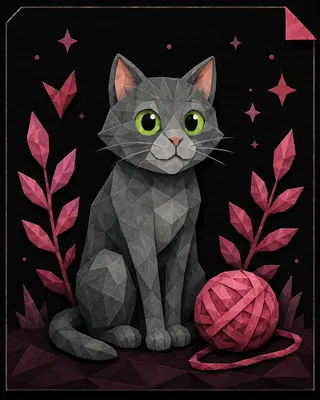
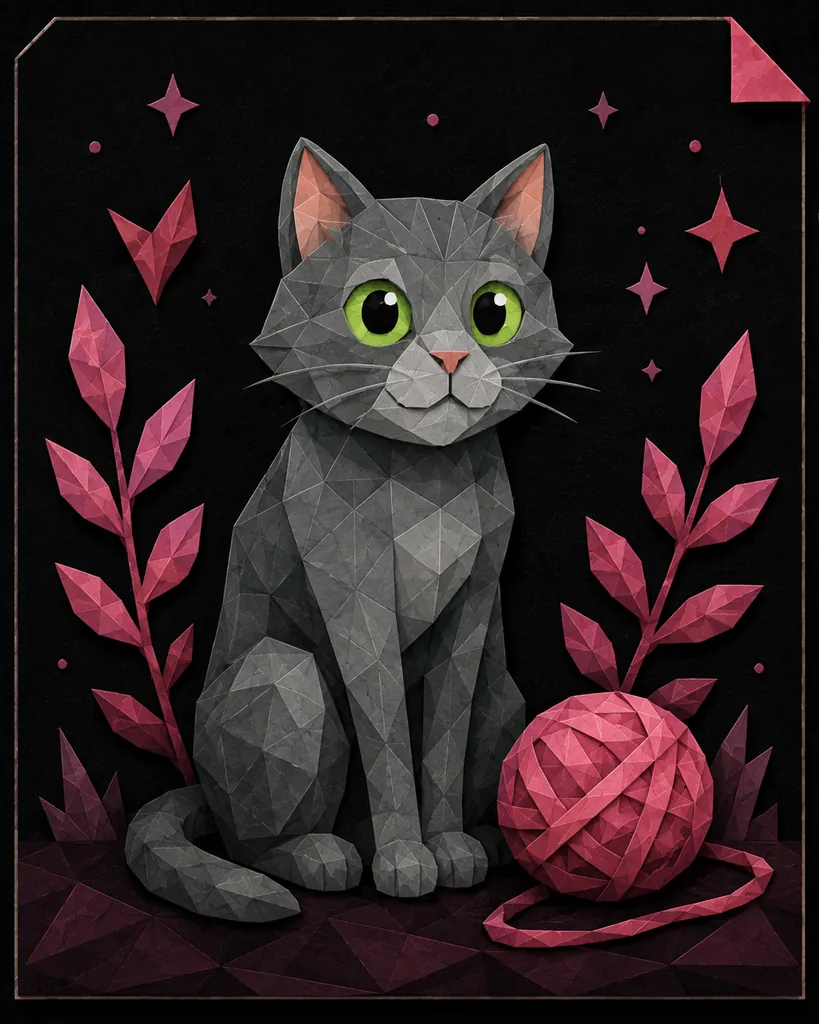
In TypeAtlas, the ISFP animal is the Cat. As a metaphor, the Cat fits an independent, sensory, present-focused style: attentive to comfort and beauty, warm on its own terms, and guided more by felt experience than rigid plans.
This TypeAtlas pairing is an editorial metaphor, not a scientific or diagnostic classification. Other lists may use a different animal.
For a broader look at the type, read the full ISFP personality guide, including career, relationships, communication, stress, money, and growth.
ISFP at a glance
Strengths
- A natural eye for beauty, aesthetics, and craft
- Warm, gentle, and genuinely accepting of others
- Lives in the present and stays grounded in real, sensory experience
- Flexible and easygoing, with quiet, deeply held values
Growth edges
- Avoids long-term planning and big commitments
- Conflict-averse and hard on themselves when criticized
- Can be so present-focused that goals and follow-through slip
The ISFP across life
Career & work fit
ISFPs need hands-on, sensory work with creative freedom and a humane pace, ideally something they can see, shape, or make beautiful. They thrive with autonomy, variety, and values they believe in, and they struggle in rigid, abstract, high-pressure, or coldly corporate settings. They do their best work in the moment and in person, and shine in design, craft, food, the arts, and caring or sensory trades.
Relationships & compatibility
ISFPs are warm, affectionate, attentive partners who show love through actions, presence, and small thoughtful gestures rather than grand declarations. They are accepting and easygoing, and they value harmony and freedom. The risk is avoiding conflict and serious planning, going quiet when upset, and keeping feelings private even from the people closest to them.
Communication style
ISFPs communicate gently, warmly, and often more through actions than words. They are kind, non-judgmental listeners who dislike confrontation, and they tend to keep their own feelings and opinions private rather than risk friction.
Work style & team role
On a team the ISFP is the quiet creative and the easygoing peacemaker — contributing original, hands-on work and a calm, accepting presence. They contribute most with autonomy and a cooperative atmosphere, and least under rigid control, heavy pressure, or constant conflict.
Stress & recovery
ISFPs are drained by conflict, criticism, rigid structure, and pressure to plan far ahead or perform under scrutiny. Under stress they withdraw, go quiet, and turn self-critical, and can swing into uncharacteristic harsh judgment or blunt criticism as their gentle nature inverts. Prolonged tension leaves them disheartened and retreating into themselves.
Decision-making & money
ISFPs tend to treat money as a means to enjoy life and create pleasant, beautiful experiences in the present. They are often modest, values-driven spenders who would rather buy meaning or beauty than status, and they find long-range budgeting tedious. Like other present-focused types, they benefit from automating savings so the future is covered without effort.
Growth edges
The ISFP's growth edge is the long view and the spoken word. Warmth, taste, and authenticity are never lacking; planning ahead, committing, and voicing feelings are. Growth looks like setting and pursuing a goal beyond the present, staying with conflict instead of retreating, and letting people in on the inner world they usually keep private.
Types most similar to the ISFP
These four types each share three of the ISFP’s four traits — the closest neighbors on the map, and the most common “ISFP vs.” comparisons.



The Hands-on Explorers (SP) family
The ISFP belongs to the present-focused, adaptable types who lead with action and real-world skill. Its family members:

ISFP frequently asked questions
What animal is an ISFP?
In TypeAtlas, the ISFP animal is the Cat, an editorial metaphor for independence, sensory focus, and quiet warmth. It is not a scientific or diagnostic classification; other lists may use a different animal.
What does ISFP stand for?
ISFP stands for Introversion, Sensing, Feeling, and Perceiving — the four trait preferences that define the type. Gentle and present — lives by feel and an eye for beauty.
Which careers might an ISFP explore?
No type determines career fit. Examples an ISFP might explore include Chef / Head Cook, Interior Designer, and Photographer, especially when the work offers hands-on sensory creativity, autonomy, and a humane pace. Interests, skills, values, and constraints matter more than type alone.
Does personality type predict ISFP compatibility?
Personality type does not reliably predict compatibility. An ISFP can build a strong relationship with any type; shared values, communication, emotional safety, and effort matter more than four letters.
What is a common growth edge for an ISFP?
A common ISFP growth edge is avoiding long-term planning and big commitments. A useful counterweight is practicing the long view and putting needs into words; this is a tendency, not a fixed flaw.
Which of the 16 are you?
This profile is the ISFP. Take the free Personality Type Test — 32 quick questions, about five minutes — to find your own four-letter type, your animal, and a confidence score for each trait.
Take the free Personality Type TestAll 16 types as animals
Every TypeAtlas personality type and its animal. Tap any to read the full profile.